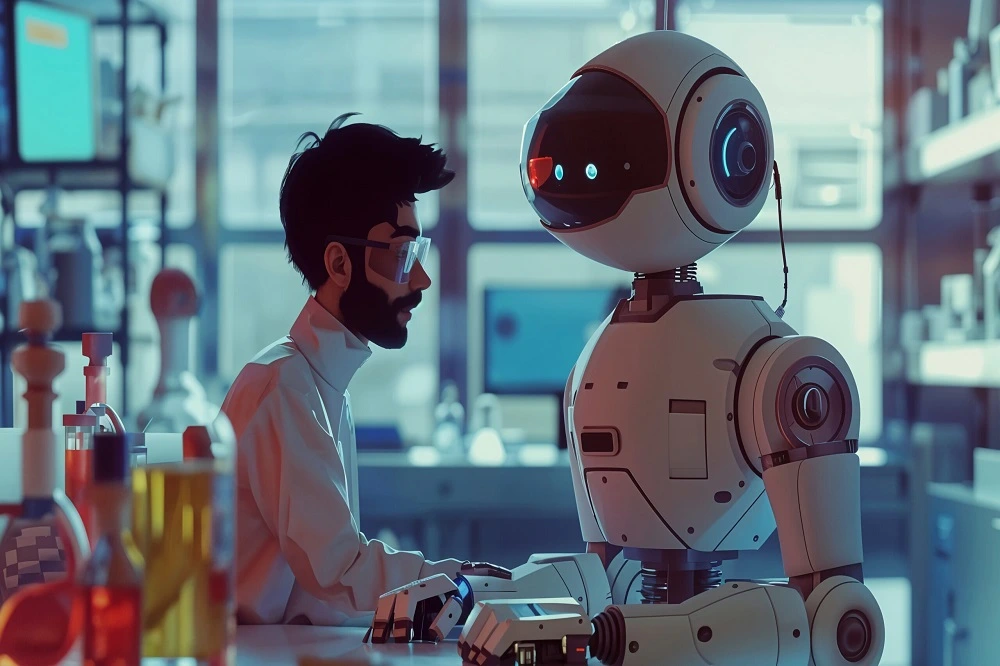
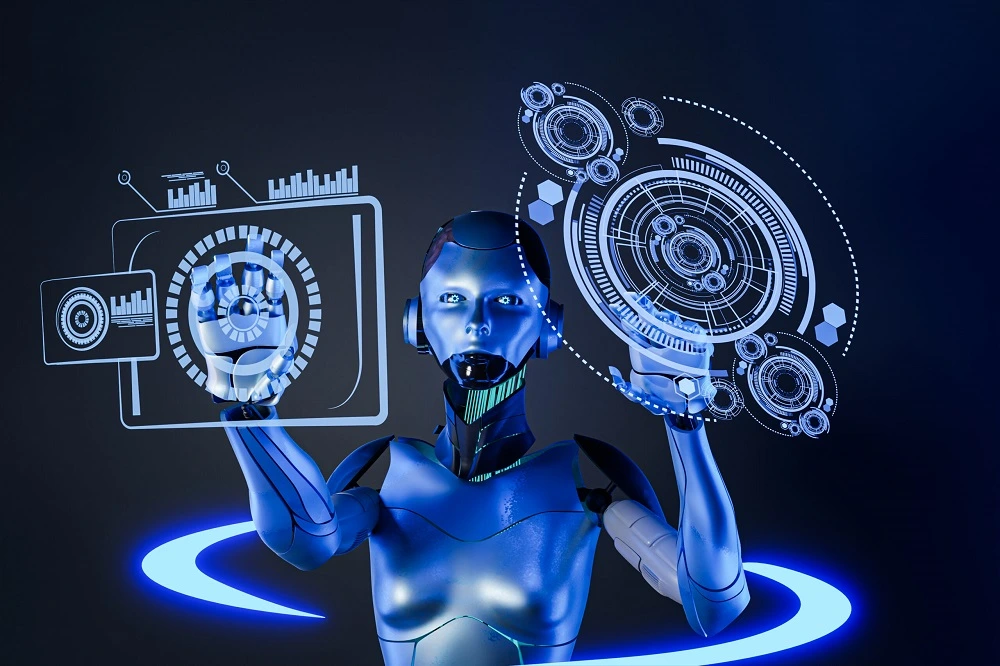
The Future of AI in Software Development
MakersOfCode Blog The Future of AI in Software Development Home Artificial intelligence isn’t just transforming what software can do—it’s revolutionizing how software is created. Welcome to the future of AI-assisted development. Introduction Software development is undergoing a radical transformation. Artificial intelligence (AI) is no longer a futuristic concept or a niche tool—it’s becoming an integral part of the development lifecycle. From writing code to testing, deployment, and beyond, AI is changing the way teams build, ship, and maintain software. In this post, we’ll explore how AI is already impacting software development, where the future is headed, and what developers and organizations need to know to stay ahead. 1. AI-Powered Coding Assistants One of the most visible uses of AI in development is intelligent coding tools. Platforms like GitHub Copilot, Tabnine, and Amazon CodeWhisperer use large language models to suggest code snippets, functions, or even complete files as developers type. Speeds up development: Reduces time spent writing boilerplate or repetitive code. Reduces syntax errors: Real-time feedback helps minimize bugs. Supports multiple languages and frameworks: Making it easier for devs to work across stacks. As these tools improve, developers will spend less time writing code line-by-line and more time architecting systems and solving high-level problems. 2. AI in Software Testing Testing is a critical part of software development—and one ripe for automation. AI is now being used to write, run, and optimize tests with minimal human input. Test case generation: Tools can analyze code and auto-generate unit or integration tests. Smart test prioritization: AI can determine which tests to run based on code changes and risk. Visual regression testing: AI compares UI screenshots pixel-by-pixel to catch layout issues. This significantly cuts down on QA cycles and helps teams ship faster without compromising quality. 3. Predictive Analytics for Project Management AI isn’t just helping write and test code—it’s also optimizing how teams plan and execute projects. Effort estimation: AI models can predict how long tasks will take based on historical data. Bug prediction: Machine learning can identify areas of code most likely to fail in the future. Workflow optimization: Tools can recommend team structures or sprint plans based on past performance. 4. Intelligent DevOps and Automation AI is helping streamline the software delivery pipeline through smart DevOps tools. Anomaly detection: ML can flag unusual behavior in logs or performance metrics before users notice. Self-healing systems: AI-enabled infrastructure can detect, diagnose, and fix issues automatically. Dynamic scaling: Cloud systems can predict demand and scale resources proactively. 5. AI-Driven Code Review and Security Manual code reviews are time-consuming and prone to human error. AI is stepping in to help teams catch issues earlier and faster. Automated code reviews: Tools like DeepCode or Snyk analyze code for style, performance, and potential bugs. Security scanning: AI can detect vulnerabilities and suggest fixes during the development phase. Compliance monitoring: Ensures that code adheres to regulatory standards in real-time. 6. The Rise of Autonomous Software Engineering Looking ahead, AI won’t just assist developers—it will increasingly act as a co-developer or even an autonomous engineer for specific tasks. Autonomous bug fixing: AI can diagnose and patch known vulnerabilities automatically. Auto-refactoring: AI can modernize legacy codebases or migrate them to new platforms. Intent-based development: Developers describe what they want, and AI builds the solution. While full autonomy is still in early stages, the trajectory is clear: AI is taking on more complex, context-aware tasks traditionally done by humans. 7. Challenges and Considerations Despite the promise, AI in software development comes with challenges: Bias in training data: AI suggestions are only as good as the data they’re trained on. Security concerns: AI tools must be vetted for privacy and vulnerability risks. Human oversight: AI is not infallible—developers must validate all outputs. Ethical implications: Especially with autonomous agents making decisions about code or user behavior. Conclusion The future of AI in software development is not about replacing developers—it’s about augmenting them. By handling repetitive tasks, predicting outcomes, and enhancing decision-making, AI empowers developers to focus on what truly matters: innovation, architecture, and user experience. As AI tools evolve, the smartest teams will be those who embrace them—not just to build faster, but to build better. Search Blog: Search Recent Posts: Make Some Room For A Rain Of Money The Future of AI in Software Development The next generation of advertising agencies Mastering Microservices Connecting Consumers With Your Business Categories: Software Development Emerging Technologies Tags: AI Architecture Contact Us: