MakersOfCode

AI

Emerging Technologies, Software Development

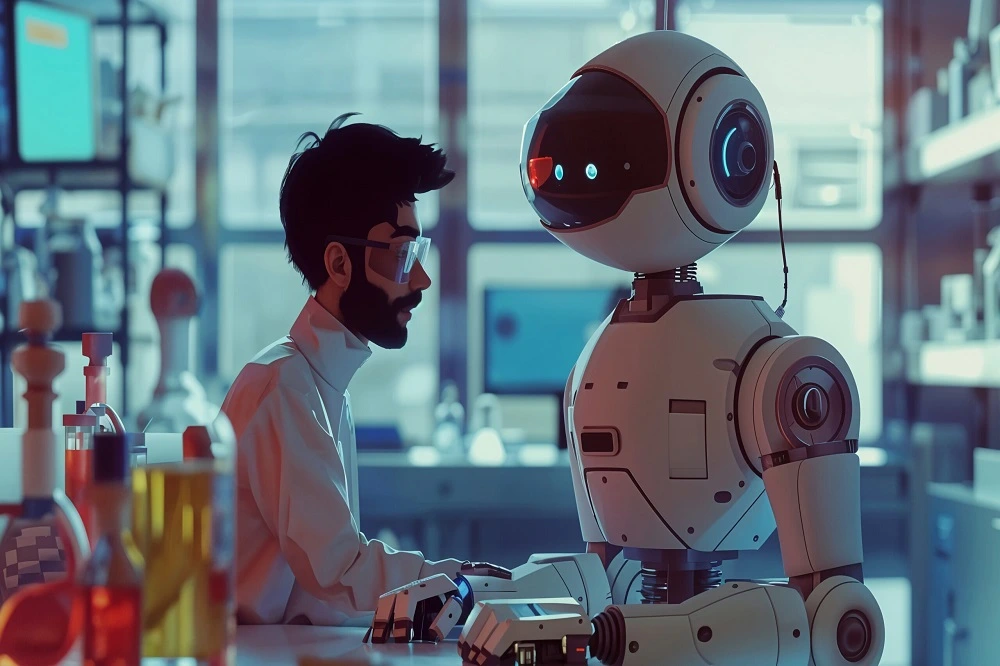
The Ethical Implications of AI in Software Development

As artificial intelligence becomes deeply embedded in software development, it raises crucial questions not just about what we can build—but what we should build. Introduction AI is transforming how software is developed, deployed, and experienced. From AI-assisted coding tools to automated testing, recommendation engines, and predictive analytics, intelligent systems are reshaping the developer’s workflow. But with great power comes great responsibility. Behind every AI-driven decision lies a series of ethical questions: Is it fair? Is it transparent? Is it safe? In this blog, we’ll explore the ethical implications of AI in software development—and why addressing them isn’t optional. 1. Algorithmic Bias and Discrimination AI systems learn from data. If that data is biased, incomplete, or unbalanced, the results can be discriminatory. “Bias in, bias out” is not just a technical problem—it’s an ethical one. 2. Transparency and Explainability Many AI systems operate as black boxes—producing results without explaining how or why. This raises questions of trust and accountability. Ethical AI demands transparency—especially in areas like finance, healthcare, or law where decisions carry real consequences. 3. Job Displacement and Developer Roles AI tools like GitHub Copilot, Amazon CodeWhisperer, and ChatGPT are redefining how software is written. While they boost productivity, they also prompt concerns: The ethical path forward lies in using AI as an augmentation—not a replacement—of human talent, while retraining workers for new roles created by AI itself. 4. Intellectual Property and Code Generation AI-powered tools trained on open-source codebases sometimes generate snippets that mirror licensed code. This raises IP and copyright concerns. These are evolving legal and moral discussions that developers and companies must navigate responsibly. 5. Data Privacy and User Consent Many AI systems depend on collecting, storing, and analyzing user data. Without robust privacy protections, this leads to surveillance risks and misuse. Ethical AI respects user consent and designs privacy as a feature—not an afterthought. 6. Autonomous Decision-Making and Accountability As AI becomes capable of making decisions independently—such as approving loans, flagging content, or allocating resources—the question arises: Who is accountable when things go wrong? Ethical software development must include human-in-the-loop controls and clear escalation paths for automated systems. 7. AI in Security and Surveillance AI is increasingly used for threat detection, facial recognition, and behavioral monitoring. While powerful, these tools can infringe on civil liberties when misused. Developers and organizations must draw ethical boundaries around use cases and challenge projects that violate fundamental rights. The Developer’s Role in Ethical AI AI ethics isn’t just a concern for policymakers or ethicists. Developers are on the front lines of innovation, and their choices shape how AI behaves. Here’s how they can contribute ethically: Conclusion AI in software development offers incredible promise—but also complex risks. Ethical awareness is no longer optional. It’s a professional obligation. As developers, we must ask hard questions, challenge assumptions, and design systems that are not just intelligent, but also just. Because in the age of AI, code doesn’t just execute—it impacts lives.
Emerging Technologies, Software Development

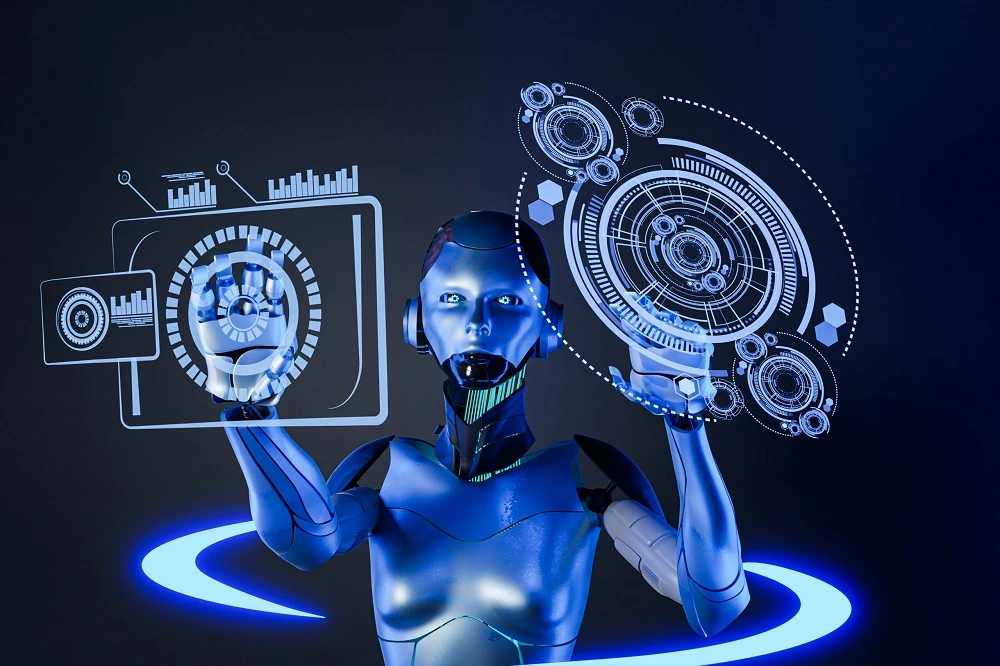
The Future of AI in Software Development

Artificial intelligence isn’t just transforming what software can do—it’s revolutionizing how software is created. Welcome to the future of AI-assisted development. Introduction Software development is undergoing a radical transformation. Artificial intelligence (AI) is no longer a futuristic concept or a niche tool—it’s becoming an integral part of the development lifecycle. From writing code to testing, deployment, and beyond, AI is changing the way teams build, ship, and maintain software. In this post, we’ll explore how AI is already impacting software development, where the future is headed, and what developers and organizations need to know to stay ahead. 1. AI-Powered Coding Assistants One of the most visible uses of AI in development is intelligent coding tools. Platforms like GitHub Copilot, Tabnine, and Amazon CodeWhisperer use large language models to suggest code snippets, functions, or even complete files as developers type. As these tools improve, developers will spend less time writing code line-by-line and more time architecting systems and solving high-level problems. 2. AI in Software Testing Testing is a critical part of software development—and one ripe for automation. AI is now being used to write, run, and optimize tests with minimal human input. This significantly cuts down on QA cycles and helps teams ship faster without compromising quality. 3. Predictive Analytics for Project Management AI isn’t just helping write and test code—it’s also optimizing how teams plan and execute projects. 4. Intelligent DevOps and Automation AI is helping streamline the software delivery pipeline through smart DevOps tools. 5. AI-Driven Code Review and Security Manual code reviews are time-consuming and prone to human error. AI is stepping in to help teams catch issues earlier and faster. 6. The Rise of Autonomous Software Engineering Looking ahead, AI won’t just assist developers—it will increasingly act as a co-developer or even an autonomous engineer for specific tasks. While full autonomy is still in early stages, the trajectory is clear: AI is taking on more complex, context-aware tasks traditionally done by humans. 7. Challenges and Considerations Despite the promise, AI in software development comes with challenges: Conclusion The future of AI in software development is not about replacing developers—it’s about augmenting them. By handling repetitive tasks, predicting outcomes, and enhancing decision-making, AI empowers developers to focus on what truly matters: innovation, architecture, and user experience. As AI tools evolve, the smartest teams will be those who embrace them—not just to build faster, but to build better.

Scroll to Top